
 Kara Davidson
Key Takeaways
- Understanding the health risks associated with common household pests in St. Louis.
- Implementing effective strategies to prevent pest infestations specific to local conditions.
- Recognizing the importance of regular home maintenance in pest control for Missouri homes.
Introduction
In St. Louis, maintaining a healthy home environment extends beyond simple tidiness. The region’s unique blend of humid summers, cold winters, and access to both rural and urban green spaces creates an ideal environment for pests such as rodents, ants, and cockroaches. Residents aiming to protect their health must be proactive in preventing pest issues before they escalate. To learn more about pest prevention services specifically tailored for Missouri’s needs, visit the website for expert resources and guidance.
Pests in St. Louis homes aren’t just a nuisance; they can cause structural damage and threaten your family’s well-being. Urban neighborhoods often contend with rodents and cockroaches drawn by food debris, while suburban and rural areas may face additional intrusions from seasonal ants and spiders seeking shelter. Being vigilant about pest management ensures a safer and more comfortable home for St. Louis families.
Effective pest control in the Gateway City should always account for the local climate and neighborhood characteristics. Humidity and rainfall, especially in summer, can increase pest activity, making regular inspection and preventative maintenance a necessity. St. Louis residents can benefit from knowing which pests are most likely to appear in their area and preparing for seasonal changes.
By combining local knowledge with proven pest management strategies, you can significantly reduce the risks posed by household pests. Doing so ultimately protects not only your property, but also your family and community.
Health Risks Associated with Common Household Pests
Pests are not just unsightly; they present direct health hazards to St. Louis households. Large cockroach populations are often found in older homes with moisture issues, and St. Louis’s variable climate can worsen this problem. According to the Centers for Disease Control and Prevention (CDC), cockroach allergens can exacerbate asthma, posing a particular threat to children and older adults.
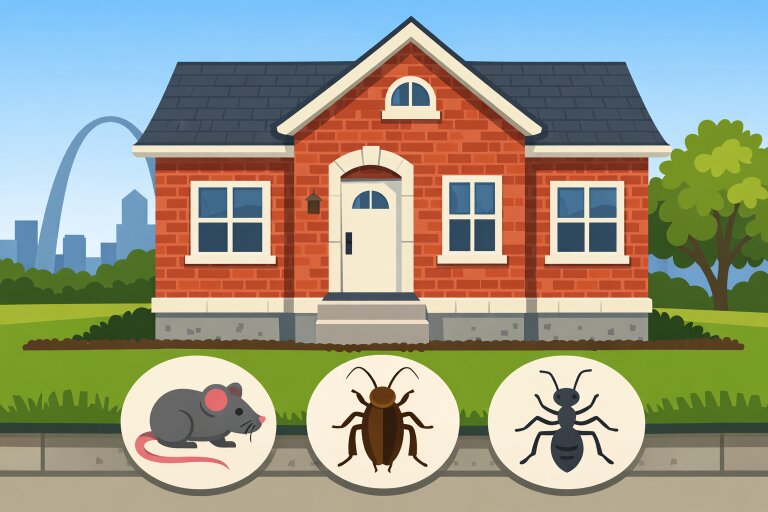
Rodents, particularly Norway rats and house mice, which are prevalent in the city’s historic brick neighborhoods, can spread pathogens such as salmonella and hantavirus through their droppings and urine. They can also gnaw through insulation and wiring, raising the risk of electrical fires. Meanwhile, ants and spiders common in rural or suburban areas may contribute to food contamination or mild allergic reactions.
St. Louis’s unique blend of parklands, rivers, and older housing stock means ticks and other biting pests sometimes enter homes and yards. The Environmental Protection Agency (EPA) recommends proactive tick control because these insects can carry Lyme disease, which is increasingly reported in Missouri.
Effective Strategies to Prevent Pest Infestations
Preventing pest infestations in St. Louis involves more than simply using store-bought traps or sprays. Given the region’s seasonal challenges and building styles, homeowners should address pests systematically:
- Seal Entry Points: Regularly inspect alone foundations, stonework, and around plumbing lines for cracks or gaps. Brick homes, which are common throughout St. Louis, often develop settling cracks that can allow rodents and insects inside. Use caulk, steel wool, or weatherstripping to close these off.
- Maintain Cleanliness: St. Louis’s vibrant food scene can also mean more crumbs, spills, and food waste in local kitchens. Store all dry goods in sealed containers and do not leave pet food out overnight. Regularly vacuum and wipe down counters, especially during rainy summers when pests are most active.
- Manage Waste Properly: Urban and suburban homes should use sealed, heavy-duty garbage bins and keep them away from house walls. Take out the trash regularly, and clean bins periodically to eliminate odors that attract pests.
- Control Moisture: Basements in St. Louis often become damp due to high humidity and flooding. Use dehumidifiers, fix leaky faucets, and make sure gutters and downspouts direct water away from foundations to limit moisture that attracts pests like centipedes and cockroaches.
The Role of Regular Home Maintenance
Consistent home maintenance is essential for effective pest control in Missouri. Repairing torn window screens, installing door sweeps, and clearing gutters of debris are key tasks. Yard maintenance also matters; trim back shrubs and tree branches that touch roofs or walls, since they can act as bridges for ants and squirrels to access your attic.
Check for evidence of nesting in attics and basements, as well as for gnaw marks or droppings around the home’s perimeter. Proactive inspections allow you to address minor pest issues before they escalate into infestations. As emphasized by the National Pest Management Association (NPMA), regular upkeep reduces long-term repair costs and keeps pests at bay.
When to Seek Professional Help
If you notice persistent droppings, gnaw marks, nests, or detect odd odors, it’s time to consult a licensed St. Louis pest control service. Professionals have the expertise and tools required for targeted treatments, especially for large rodent infestations or recurring cockroach problems in multi-unit buildings. They can also advise on long-term prevention customized for your neighborhood’s common pests.
For complex infestations, skilled technicians perform detailed inspections, locate entry points, and recommend customized solutions, often saving you time and money compared to repeated DIY efforts.
Conclusion
St. Louis residents must take a proactive approach to home pest control. By understanding local pest risks, implementing thorough prevention strategies, and keeping up with home maintenance, you can dramatically reduce the risks posed by unwanted household pests. A healthy, pest-free environment starts with vigilance, regular care, and professional help when needed, ensuring your St. Louis home remains a haven for years to come.