 Kara Davidson
Athlete rehabilitation is a planned process that helps restore movement, strength, confidence, and performance after an injury. For runners, this may mean progressing from pain-free walking to easy mileage, speed work, hills, and eventually normal training.
Effective athlete rehabilitation starts with a careful assessment and then moves through mobility, strength, conditioning, and sport-specific work.
The goal is not only to reduce symptoms but also to address factors that may have contributed to the injury. A clear plan can help athletes return to training and competition with greater control.
Key Takeaways
- Sports injury rehabilitation requires a step-by-step plan that restores movement, strength, balance, and athletic performance.
- Recovery should progress based on symptoms, function, and tissue healing, not time alone.
- Physical therapy can help reduce pain, rebuild strength, improve movement, and prepare athletes for sport-specific demands.
- A safe return to play should include functional testing, workload progression, and psychological readiness.
What Is Sports Injury Rehabilitation?
Sports injury rehabilitation is the process of restoring physical function after an injury. It also prepares the athlete for the demands of training and competition. The connection between sports and rehabilitation goes beyond pain relief because recovery often requires improvements in strength, coordination, endurance, and movement quality.
Each treatment plan should reflect the injury type, the athlete’s sport, current symptoms, and training level. Athlete injury recovery can vary even when two people have similar diagnoses. Acute injuries may first need protection, swelling control, activity changes, and gentle exercises.
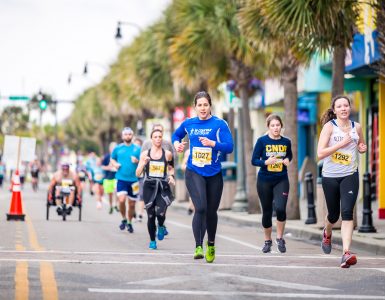
For runners, common sports-related injuries may involve the knee, ankle, Achilles tendon, foot, hip, or surrounding soft tissue. The rehabilitation process should account for both the injured area and the repetitive demands of running.
Common rehabilitation goals include:
- Reduce pain and swelling while protecting injured areas.
- Restore a normal range of motion and better movement quality.
- Rebuild strength, balance, coordination, and endurance.
- Prepare the athlete for sport-specific training.
- Reduce the risk of another injury during regular activity.
These goals usually develop in stages rather than all at once. Moving too fast may overload healing tissue. Progressing too slowly may also lead to unnecessary weakness and loss of fitness.
The Main Stages of the Rehabilitation Process
The rehabilitation process should match how the injured tissue is healing. At the same time, athletes should stay as active as their condition safely allows. A rehabilitation program is often adjusted based on symptoms, strength, movement, functional testing, and response to exercise.
A typical progression may include:
- Protecting the injured area and controlling symptoms.
- Restoring mobility and normal movement patterns.
- Building strength with progressive resistance exercises.
- Improving balance, coordination, agility, and conditioning.
- Adding sports drills and controlled competition demands.
- Completing functional testing before full participation.
Each stage gives the injured athlete a chance to show better control and tolerance. The exact order may change based on the injury. Muscle, ligament, tendon, bone, and soft tissue injuries do not heal at the same speed.
How Physical Therapy Supports Athletic Recovery
Physical therapy can identify movement limits, strength loss, pain triggers, and other problems after sports-related injuries.
Care may include exercise, mobility work, gradual loading, education, and other methods designed to reduce pain and promote healing. The focus changes as the athlete moves from basic recovery toward higher-level performance.
Runners and other active patients working with InTouch NYC PT may progress from restoring basic movement and strength to sport-specific training and a gradual return to activity. Physical therapists may also work with doctors, athletic trainers, coaches, and other providers when shared care is useful.
Athletes recovering from sports injuries often turn to physical therapists for help connecting medical recovery with the demands of their sport.
Restoring Mobility, Strength, and Control
Early rehabilitation may focus on comfortable movement and improving range of motion without adding too much stress. As the injury improves, exercises can become harder. The aim is to restore strength, flexibility, balance, and control through a safe progression.
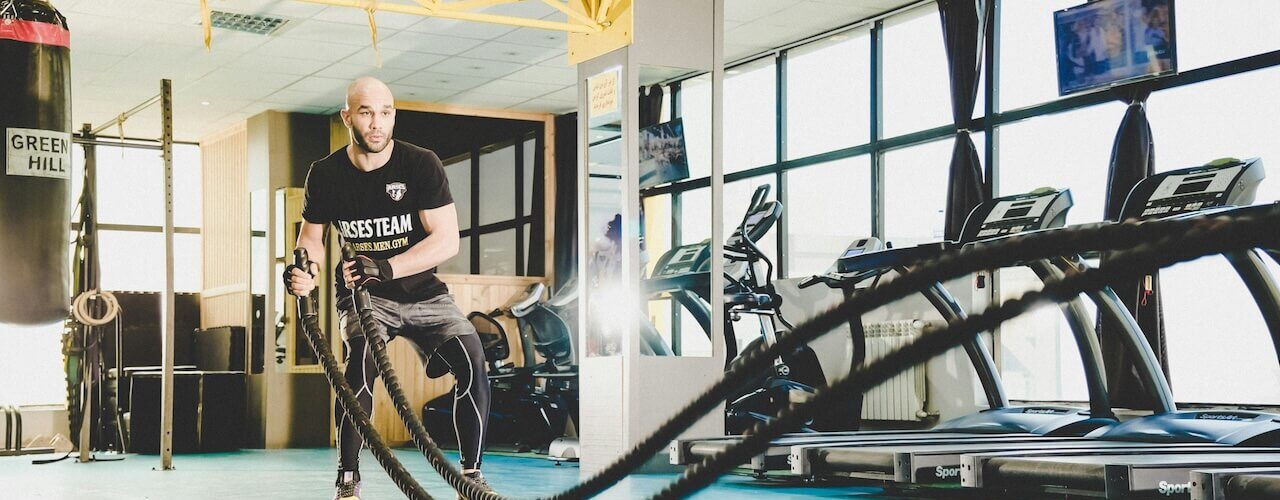
Strength alone is not enough for full recovery. Athletes may also need to regain speed, coordination, stability, power, endurance, and confidence. These skills become more important as rehabilitation starts to resemble actual training.
Why Sport-Specific Training Matters
Sport-specific training helps connect general rehabilitation with the movements used in competition. A runner may need gradual increases in running time, distance, and speed before returning to hills, intervals, races, or previous weekly mileage. A rehabilitation program for runners may also include single-leg strength, balance work, calf loading, running drills, and gradual changes in training volume.
A basketball player may need cutting, jumping, landing, and rapid changes of direction.
A throwing athlete may need a controlled increase in throwing distance, volume, and intensity. This stage also helps clinicians see how the athlete moves under fatigue and higher loads. Training should gradually match the speed, direction, duration, and force required for a safe return to sports.
Preventing Reinjury During Recovery
Reinjury prevention should look beyond the original injury. Training errors, poor recovery, reduced fitness, weak movement control, and previous injuries can all affect future risk. Rehabilitation should prepare the athlete for the workloads expected after discharge.
Practical strategies may include:
- Increase training volume and intensity gradually.
- Maintain strength and conditioning during the season.
- Include recovery time after demanding training sessions.
- Watch for recurring pain, swelling, weakness, or changes in movement.
- Continue useful rehabilitation exercises after you resume normal training.
- Increase weekly running volume gradually rather than making sudden jumps in mileage.
- Reintroduce hills, speed sessions, and longer runs in stages.
No approach can remove every injury risk. The goal is to prepare the body for expected demands and address changeable factors.
Psychological Readiness and Confidence
Physical healing does not always mean an athlete feels ready to compete. Fear of reinjury, hesitation, or lower confidence can affect movement and performance. These issues may also influence return-to-play decisions.
Gradual exposure to harder movements can help rebuild confidence. Athletes can first practice these tasks in a controlled setting before returning to full competition. Feedback from coaches and rehabilitation professionals can also help athletes understand their progress.
When Is an Athlete Ready to Return to Play?
A return-to-play decision should consider more than pain or the amount of time since the injury. The athlete should show enough strength, movement, endurance, control, and sport-specific ability. Testing should also reflect the demands of the athlete’s sport and playing position.
Return-to-sport testing may include:
- Pain-free functional movement.
- Strength compared with the uninjured side or expected standards.
- Balance, jumping, landing, agility, or endurance tests.
- Performance during more demanding sports drills.
- Confidence during movements linked to the original injury.
Passing one test does not always mean the athlete is ready to return to competition. Clinicians may review several factors before increasing activity. These can include examination findings, training response, medical status, movement quality, and psychological readiness.
Building a Safer Path Back to Competition
Successful rehabilitation should do more than provide short-term pain relief. It should rebuild the physical capacity needed for training and address injury-related factors. Clear progress goals can also help athletes understand when they are ready for the next stage.
The best approach treats recovery as a step-by-step process. Athletes who want individualized guidance can also work with physical therapist Keith Chan to assess movement, build strength, and plan a gradual return to training.
With proper assessment, progressive loading, conditioning, and monitoring, athletes can work toward full recovery and prepare for the speed, force, and repetition required for a safe return to competition.